
Build a homeschool you've only dreamed about!
Begin your journey here.
................
Your roadmap to a homeschool that honors how children learn, brings curiosity and peace back into your home, and opens up a delightful world of knowledge.
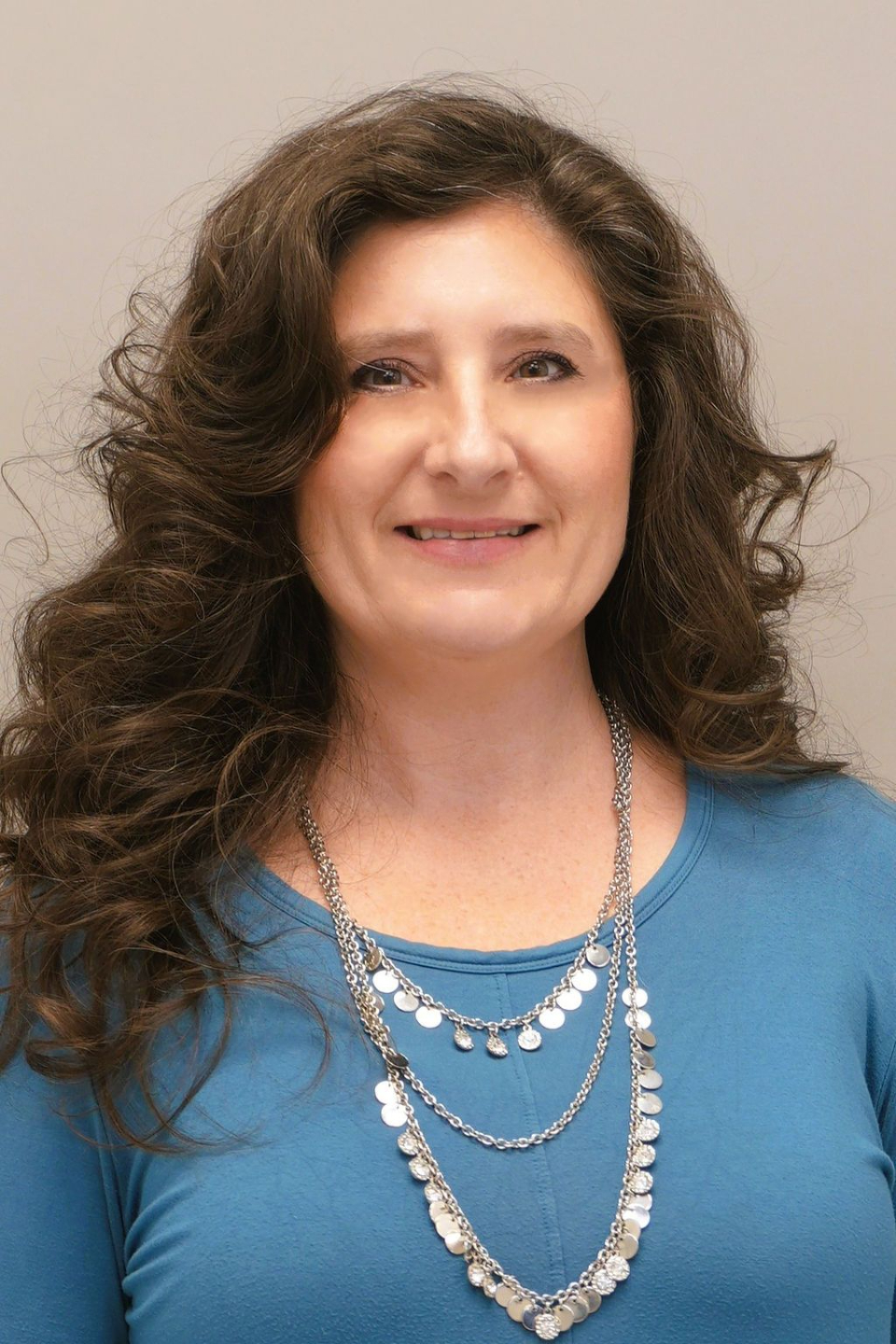
Meet Laura
....................
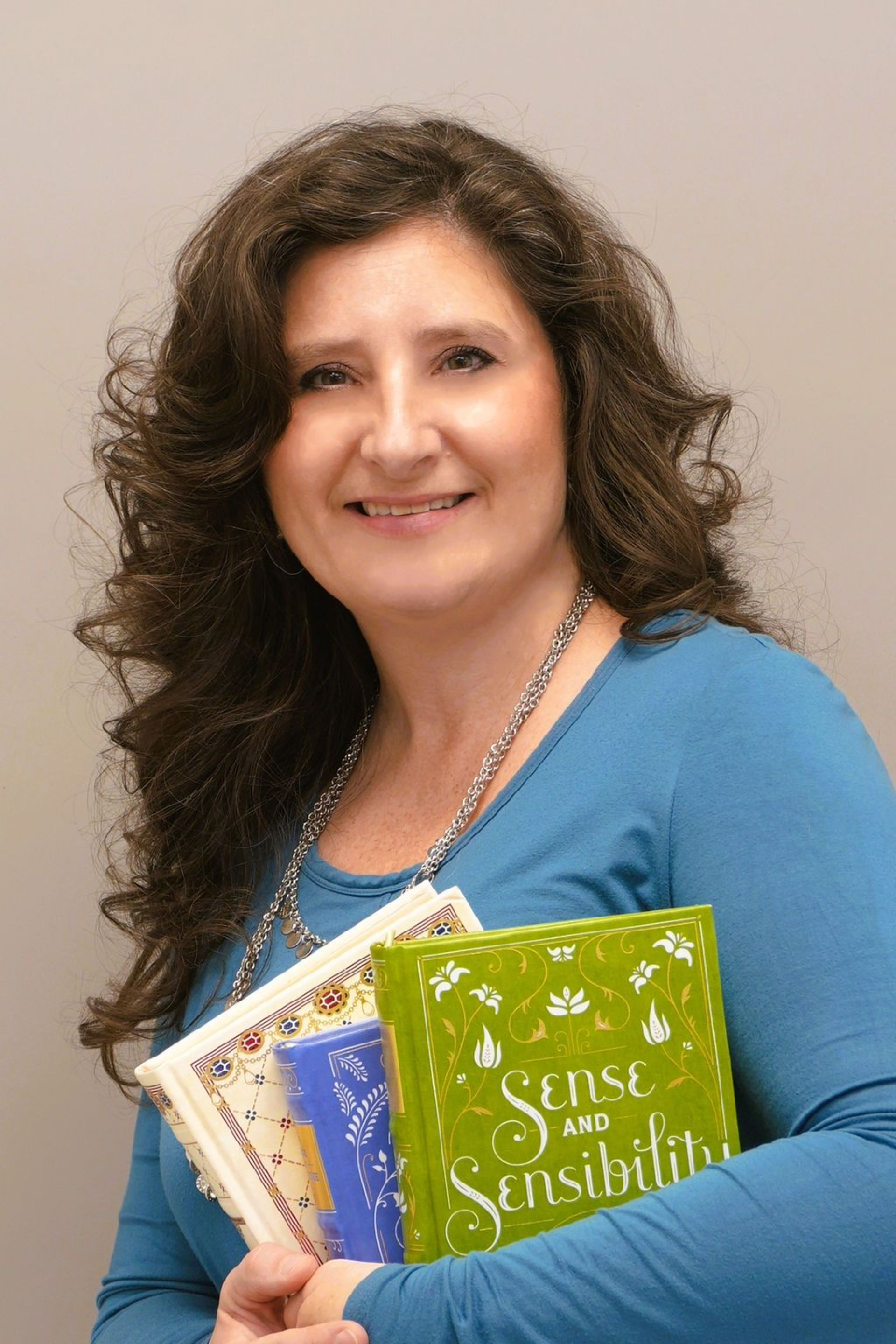
I’ve been a teacher for the last 30 years, but it wasn’t until I began homeschooling my own children using the Charlotte Mason method that I truly discovered my purpose. Now I’m helping other moms grow in their confidence that they can do this great and worthy work.
More about me
"The question not – how much does the youth know? when he has finished his education – but how much does he care? and about how many orders of things does he care? In fact, how large is the room in which he finds his feet set? and, therefore, how full is the life he has before him"
..........
Charlotte Mason
If you're ready for that vision you've had for your homeschool to become a reality, join my free class today!
....................
You've got nothing to lose and a world to gain.
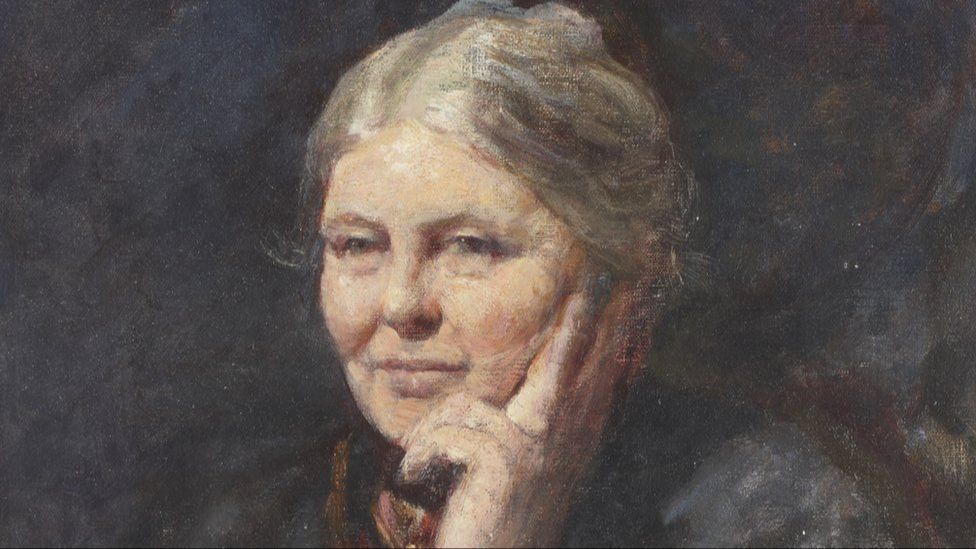
Who was Charlotte Mason?
The morning light slips through the window, quiet and steady, as the day begins to unfold. Before we step into lessons and plans, I want to introduce you to someone who has deeply influenced the way I think about children and their education.
She isn’t a modern voice, yet her ideas feel strikingly relevant. Over time, she has become a kind of mentor to many—offering wisdom that reaches beyond methods and schedules. She spent her life considering what it means to truly educate a child—not just academically, but spiritually and personally—guiding them to know God, to understand themselves, and to engage thoughtfully with the world around them.
Her name is Charlotte Mason.
She was born in 1842 in Bangor, Wales, a place marked by rugged coastline and open skies. Her childhood was shaped by both beauty and hardship. As an only child who lost her parents in her teenage years, she experienced a deep sense of independence early on. Those experiences quietly formed her perspective, giving her insight into the emotional and spiritual needs of children.
When Charlotte began teaching, she quickly recognized a flaw in the common thinking of her time. Many viewed children as incomplete—something to be formed entirely by outside influence. But she saw them differently. She believed children were already persons—capable of thought, rich in imagination, and deserving of respect from the very beginning.
That conviction shaped everything that followed.
After studying in London, she dedicated her life to working out these ideas in real settings. She collaborated with educators, supported families, and closely observed how children responded to different approaches. What she found challenged the norms: children thrive on ideas, not just information. They need meaningful books, time in nature, and regular exposure to beauty through art, music, and poetry.
She called this approach a “living education,” but more than a method, it was a way of seeing the child.
Throughout her life, she recorded her thoughts in a series of six books on education. These writings continue to resonate because they are both thoughtful and practical. They invite us to offer children a wide range of meaningful ideas and to trust in their ability to engage, reflect, and grow.
As you consider her work, it helps to think of Charlotte not simply as a historical educator, but as a voice that still speaks with clarity today. She reminds us that education is not primarily about efficiency or outcomes. It is about formation—about nurturing a child’s relationships with God, with others, and with the world they are learning to love and understand.